
At Qinsite, we understand that measurement accuracy isn’t just about numbers—it’s about trust, safety, and operational excellence. In industries where precision matters, calibration serves as the foundation for reliable data, quality control, and regulatory compliance.
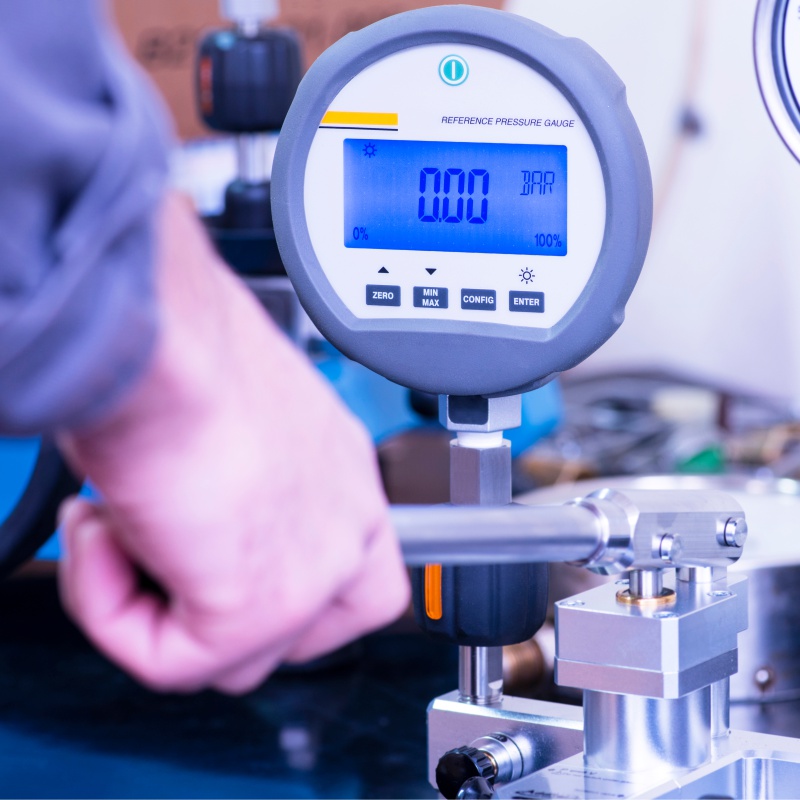
Calibration is the process of verifying the accuracy of measuring equipment by comparing its readings against a reference standard traceable to national or international benchmarks. These reference instruments must themselves be calibrated by ISO/IEC 17025, the global standard for testing and calibration laboratories, which ensures both technical competence and rigorous quality management.
Without regular calibration, measurement devices—whether they monitor temperature, pressure, humidity, or electrical parameters—can experience “drift,” gradually losing accuracy over time. This degradation can stem from:
Normal wear and tear
Environmental factors (heat, vibration, moisture)
Mechanical or electrical stress
The consequences of uncalibrated equipment range from minor inefficiencies to catastrophic failures, making calibration not just a best practice, but a necessity.

Extended Equipment Lifespan
Instead of replacing degraded instruments, calibration restores them to optimal performance.
Tracking calibration history helps identify wear patterns, allowing proactive maintenance.
Enhanced Safety & Risk Mitigation
Prevents equipment malfunctions that could cause injuries or operational hazards.
Critical in industries like healthcare, oil & gas, and manufacturing.
Cost Savings & Efficiency
Reduces waste from faulty production runs or spoiled materials (e.g., food, chemicals).
Avoids expensive downtime by catching inaccuracies before they disrupt operations.
Simplified Compliance & Certifications
Many industries (e.g., medical devices, automotive, aerospace) require calibrated equipment for regulatory approval.
Proper documentation streamlines audits and inspections.
From pharmaceuticals to heavy manufacturing, calibration plays a vital role in:
Laboratories – Ensuring test result accuracy for research and diagnostics.
Manufacturing – Maintaining consistency in production lines.
Energy & Utilities – Safeguarding critical infrastructure.
Food & Beverage – Complying with health and safety standards.
At Qinsite, we help businesses maintain measurement integrity through:
ISO/IEC 17025-compliant calibration services
Traceable certification with full documentation
Custom calibration schedules tailored to your equipment’s needs
Don’t leave accuracy to chance—ensure your measurements are reliable, compliant, and safe.
Professional advice from a compliance expert
Benefit from streamlined processes
Personalised advice, tailored to your business
Personalised advice, tailored to your business
Specialist help whenever you need it
Book a free 30-minute discovery call to learn more about how I can help your organisation.